Are You Prepared for the Rising Threat of Ransomware? Do You Know How To Prevent Ransomware Attacks?
Imagine waking up one day to find all your important files locked, with a message demanding a ransom to regain access. This nightmare scenario is becoming increasingly common, affecting individuals, businesses, and even governments worldwide. The question is—how can you protect yourself before it’s too late?
Ransomware: A Silent Digital Pandemic
Ransomware has rapidly become one of the most dangerous cybersecurity threats in the digital world. This type of malicious software encrypts files or locks users out of their systems, demanding a ransom in exchange for restoring access. Whether you’re an individual, a business, or a government entity, ransomware can have devastating consequences—leading to financial loss, data breaches, and even disruptions in critical services.
In recent years, high-profile ransomware attacks have crippled hospitals, shut down major companies, and even targeted national infrastructure. One of the most infamous examples is the Colonial Pipeline attack, which caused fuel shortages across the U.S. due to a ransomware breach. Such incidents highlight how cybercriminals exploit security vulnerabilities to extort money, often with little chance of retrieving files even after paying the ransom.
The good news is that ransomware attacks can often be prevented with the right security practices. Understanding how ransomware works, recognizing common attack methods, and implementing preventive measures can significantly reduce the risk of falling victim. This blog post will provide practical guidance for individuals, businesses, and governments to protect themselves against ransomware, ensuring a safer digital environment for everyone.
By the end of this guide, you’ll have actionable steps to fortify your cybersecurity and prevent ransomware from taking over your data.
Unmasking Ransomware: How It Works and Why It’s So Dangerous
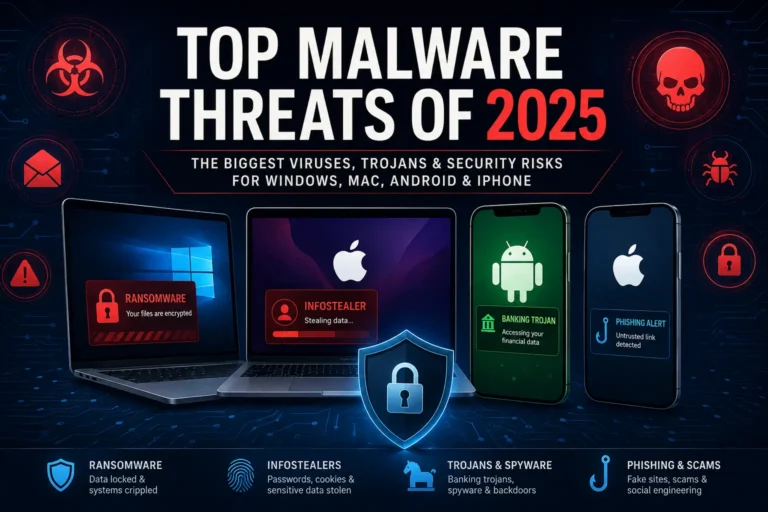
Ransomware is a type of malicious software (malware) that locks or encrypts files on a victim’s device, demanding payment (a ransom) to restore access. Cybercriminals use this tactic to extort individuals, businesses, and even governments, often leaving victims with a difficult choice—pay the ransom with no guarantee of recovering their files or lose critical data forever.
How Does Ransomware Spread?
Hackers deploy ransomware using several deceptive methods, including:
- Phishing emails – Fraudulent emails containing malicious attachments or links.
- Infected websites – Visiting compromised sites can trigger automatic downloads.
- Exploiting security flaws – Unpatched software and weak passwords provide entry points.
- Trojan software – Malicious programs disguised as legitimate applications.
Types of Ransomware
Ransomware comes in different forms, with varying levels of severity:
- Locker Ransomware – Completely locks users out of their devices, preventing any access.
- Crypto Ransomware – Encrypts files and demands a ransom for the decryption key.
- Double Extortion Ransomware – Not only encrypts files but also steals sensitive data, threatening to release it if the ransom isn’t paid.
Why Is Ransomware So Effective?
Cybercriminals take advantage of human error, outdated security systems, and the urgency of access to essential data. The rise of cryptocurrencies also makes it easier for hackers to collect ransom payments anonymously, further fueling this cybercrime epidemic.
Understanding how ransomware operates is the first step in defending against it. The next sections will explore its impact and how to prevent falling victim to these attacks.

FAQ: What is Ransomware?
Ransomware is a type of malware that locks or encrypts your files, demanding payment for their release. But how does it work, and what can you do to protect yourself? Learn the basics and get answers to common questions in our Ransomware FAQ.
Protecting Yourself: How Individuals Can Prevent Ransomware Attacks
Ransomware attacks often target unsuspecting individuals, encrypting personal files such as photos, documents, and financial records. Losing access to these files can be devastating, and paying the ransom does not guarantee recovery. The best approach is prevention. Here’s how you can protect yourself:
1. Keep Your Software and Systems Updated
Cybercriminals exploit security weaknesses in outdated software to install ransomware.
- Enable automatic updates for your operating system, browsers, and antivirus software.
- Update all installed programs, especially those connected to the internet.
2. Use Reputable Security Software
A strong antivirus and anti-malware program can detect and block/prevent ransomware attack before it infects your device.
- Choose trusted security software that offers real-time protection.
- Enable firewalls to block unauthorized access to your system.
3. Be Cautious with Emails and Links
Phishing emails are one of the most common ways ransomware spreads.
- Do not open email attachments from unknown senders.
- Hover over links before clicking to check if they lead to legitimate websites.
- Be wary of urgent or threatening messages prompting immediate action.
4. Strengthen Your Passwords and Enable Multi-Factor Authentication (MFA)
Weak passwords make it easy for hackers to gain access to your accounts and deploy ransomware.
- Use strong, unique passwords for all accounts.
- Consider using a password manager to store and generate secure passwords.
- Enable multi-factor authentication (MFA) wherever possible to add an extra layer of security.
5. Back Up Your Data Regularly
A solid backup strategy is your best defense against ransomware.
- Use external hard drives or cloud services to store backups.
- Follow the 3-2-1 rule:
- Keep 3 copies of your data
- Store them on 2 different types of media
- Keep 1 copy offline (disconnected from the internet).
6. Avoid Downloading Unverified Software
- Only download apps and programs from official websites or trusted sources.
- Avoid pirated software, which often contains hidden malware.
7. Stay Informed About Emerging Threats
Cybercriminal tactics evolve constantly. Stay updated by:
- Following cybersecurity news and alerts.
- Educating yourself on new phishing scams and ransomware variants.
By following these best practices, you can significantly reduce your chances of becoming a victim of ransomware. In the next section, we’ll explore how businesses can strengthen their defenses against these attacks.

Shielding Your Business: How to Prevent Ransomware Attacks
Businesses are prime targets for ransomware attacks because they store valuable data and often cannot afford prolonged downtime. A successful attack can cripple operations, expose sensitive information, and result in significant financial losses. Preventing ransomware requires a proactive security strategy. Here’s how businesses can defend themselves:
1. Implement Strong Employee Cybersecurity Training
Employees are often the first line of defense against cyber threats.
- Conduct regular cybersecurity awareness training to educate staff about phishing emails, social engineering tactics, and suspicious links.
- Perform simulated phishing exercises to test employees and reinforce training.
- Establish clear reporting procedures for suspected security threats.
2. Use a Zero-Trust Security Approach
A zero-trust model minimizes access to critical systems, reducing the risk of ransomware spread.
- Implement least privilege access—employees should only have access to the data they need.
- Require multi-factor authentication (MFA) for all accounts and remote access points.
- Monitor network activity and restrict access to sensitive files.
3. Strengthen Network and Endpoint Security
Securing business networks prevents ransomware from infiltrating systems.
- Deploy firewalls, intrusion detection, and prevention systems (IDS/IPS) to block malicious traffic.
- Segment networks to isolate critical systems from employee workstations.
- Use endpoint protection software to detect and block ransomware before it spreads.
4. Keep Systems and Software Updated
Outdated systems are vulnerable to cyberattacks.
- Apply patches and updates to all operating systems, applications, and security software.
- Automate updates where possible to ensure continuous protection.
5. Maintain Secure and Frequent Data Backups
Backing up critical data ensures recovery without paying a ransom.
- Follow the 3-2-1 backup rule:
- 3 copies of data stored in different locations.
- 2 different storage types (e.g., cloud and external drives).
- 1 offline backup disconnected from the network.
- Regularly test backup restoration to confirm backups are usable.
6. Develop and Test a Ransomware Response Plan
A well-prepared business can minimize damage in case of an attack.
- Create an incident response plan that outlines how to detect, contain, and recover from ransomware.
- Assign key roles and responsibilities within the organization.
- Run cybersecurity drills to ensure employees and IT teams know how to respond effectively.
7. Invest in Small Business Antivirus Protection
Small businesses are increasingly targeted by ransomware attackers because they often lack dedicated IT security teams. Relying solely on basic antivirus software or free security tools is no longer enough. A small business antivirus solution is specifically designed to protect multiple devices, manage threats centrally, and provide advanced protection against ransomware and other malware.
Unlike consumer-grade software, small business antivirus solutions typically offer:
- Centralized management dashboards to monitor all company devices
- Real-time threat detection and ransomware protection
- Email and web protection to block phishing attempts
- Automatic updates and patch management
- Remote device security controls for distributed teams
Choosing the right solution ensures your endpoints—laptops, desktops, and servers—are protected against evolving threats. If you’re looking to strengthen your company’s defenses, consider implementing a reliable Small Business Antivirus solution tailored to growing organizations. This increases small businesses’ chances to prevent ransomware attacks.
For small businesses, this investment is not just about security—it’s about business continuity, customer trust, and long-term resilience against ransomware attacks.
By implementing these security measures, businesses can significantly reduce their risk of falling victim to ransomware. In the next section, we’ll explore how governments and critical infrastructure providers can strengthen their defenses against these growing threats.
Ransomware and Small Businesses: A Growing Threat
Small businesses are prime targets for ransomware attacks, often lacking the resources for robust cybersecurity. Find out how to protect your business and minimize risks in our article on small business ransomware protection.
Fortifying Nations: How Governments and Critical Infrastructure Can Prevent Ransomware Attacks
Ransomware attacks targeting governments and critical infrastructure pose a significant national security threat. These attacks can cripple essential services such as healthcare, energy, transportation, and public administration. Because of their high-stakes nature, governments must adopt a proactive, large-scale cybersecurity strategy to protect citizens and national security.
1. Establish and Enforce National Cybersecurity Policies
Governments should implement and enforce strict cybersecurity regulations to protect public institutions and critical infrastructure.
- Develop mandatory cybersecurity frameworks for government agencies and essential industries.
- Require organizations to comply with security best practices such as multi-factor authentication, endpoint protection, and regular vulnerability assessments.
- Establish a ransomware reporting system to track attacks and share intelligence.
2. Strengthen Public-Private Cybersecurity Partnerships
Collaboration between the government and private sector enhances threat detection and response.
- Share real-time threat intelligence between government agencies and businesses.
- Partner with cybersecurity firms to improve national defense strategies.
- Encourage cross-sector cybersecurity drills to test and refine incident response plans.
3. Secure Critical Infrastructure from Cyberattacks
- Require network segmentation in essential industries to prevent ransomware from spreading.
- Invest in advanced intrusion detection systems (IDS) and behavior-based threat monitoring to detect attacks early.
- Implement zero-trust security models to restrict unauthorized access to sensitive systems.
4. Enhance International Cooperation to Combat Cybercrime
Ransomware groups often operate across borders, making international collaboration crucial.
- Strengthen global cybersecurity treaties and extradition agreements for cybercriminals.
- Work with law enforcement agencies (such as Interpol and the FBI) to dismantle ransomware groups.
- Regulate cryptocurrency transactions used for ransom payments to limit cybercriminal funding.
5. Educate Government Employees and Citizens on Cyber Hygiene
- Train government staff on identifying phishing attacks and ransomware threats.
- Promote public cybersecurity awareness campaigns to help citizens protect their data.
By implementing these strategies, governments can build a resilient digital infrastructure that is prepared to defend against the growing ransomware threat. Next, we’ll explore what steps individuals, businesses, and governments should take if they fall victim to a ransomware attack.
What to Do If You’re a Victim of Ransomware
If you fall victim to a ransomware attack, acting quickly and strategically can minimize damage. Here’s what to do:
For Individuals:
- Disconnect from all networks – Unplug your device from the internet to prevent the ransomware from spreading.
- Do not pay the ransom – There’s no guarantee you’ll regain access, and payment funds criminal activity.
- Check for decryption tools – Websites like No More Ransom offer free decryption solutions.
- Report the attack – Notify local cybercrime authorities.
For Businesses & Governments:
- Isolate infected systems to prevent further spread.
- Activate your incident response plan and notify your cybersecurity team.
- Engage law enforcement and cybersecurity experts for professional guidance.
- Restore data from backups if available.
Prevention is always the best defense, but knowing how to respond effectively can mitigate damage and aid recovery.

Comprehensive Guide to Ransomware
From attack methods to prevention strategies, understanding ransomware is key to protecting your digital assets. Explore an in-depth look at ransomware threats and how to safeguard your data in our ransomware guide in the Security Center.
Final Thoughts: Stay Vigilant, Stay Secure
Ransomware is a growing cyber threat that can impact anyone—from individuals losing personal files to businesses and governments facing operational shutdowns. The consequences of an attack can be devastating, but the good news is that most ransomware attacks are preventable with the right security measures.
By practicing good cyber hygiene, keeping software updated, and backing up data regularly, individuals can reduce their risk. Businesses and governments must go further by implementing strong security policies, employee training, and advanced threat detection systems to protect critical infrastructure. Taking these proactive measures is essential to prevent ransomware attacks and build a resilient, secure digital environment.
If an attack occurs, the key is not to panic—disconnect infected systems, report the attack, and seek professional help before taking any action.
Cybercriminals are constantly evolving, but with awareness and proactive defenses, we can all stay one step ahead. The best protection against ransomware is prevention—act today to safeguard your digital future.
Protect Yourself with the Right Security Software
Preventing ransomware starts with strong cybersecurity. Explore top-rated antivirus and security software to keep your devices safe from evolving threats.
Additional resources: