Online life and cybersecurity in 2026 is more connected, more convenient, and more dependent on digital services than ever before. From banking and shopping to work, school, and entertainment, most daily activities now rely on internet-connected devices. While this makes life easier, it also creates more opportunities for cybercriminals to target everyday users, not just large companies or government organizations.
Why Cybersecurity in 2026 Matters More Than Ever
Cyber threats are no longer limited to obvious computer viruses or suspicious email attachments.

Today’s attacks often focus on stealing personal information and taking over online accounts. Scammers also try to trick people into giving up access to their own data. Scams now look more convincing, and malicious software is harder to detect. New devices, such as smartphones and smart home products, also give attackers more ways to reach consumers.
At the same time, security technology is also improving.
Modern protection tools now use smarter detection methods and automated monitoring. Operating systems also include built-in safeguards that stop many threats early. For most people in 2026, the real challenge is not finding protection. It is knowing which risks matter most and which simple habits truly help. In the sections below, we’ll explore the biggest cybersecurity trends this year and what you can do to stay safer online.
Smarter Scams and AI-Powered Social Engineering

In 2026, many of the most dangerous online threats do not start with viruses or hacked software — they start with people being tricked. Cybercriminals are increasingly using artificial intelligence to create scams that look and sound realistic, personal, and urgent. These attacks are designed to push people into acting quickly, before they have time to think or verify what is happening.
Instead of generic spam messages, today’s scams often appear as fake bank alerts, delivery problems, account warnings, or customer support messages. Some criminals now use AI-generated voices to imitate company representatives or even family members in phone scams. Others use social media information to personalize messages, making them feel more believable and relevant to the person receiving them.
What makes these scams especially dangerous is that they target human trust rather than technical weaknesses. Even the most secure computer cannot protect someone who gives away a password or approves a fake login. Scammers rely on trust, not technical flaws. That is why social engineering remains one of the most effective attack methods in 2026.
To reduce your risk in 2026, it’s important to slow down when you receive urgent or unexpected messages. Avoid clicking links in emails or texts that claim there is a problem with your account. Instead, open the official app or website directly and check there. For phone calls, hang up and call the company using the number listed on their official website. These simple verification steps may feel inconvenient, but they are one of the most effective ways to stop AI-powered scams before they succeed.
Cybercriminals are increasingly using AI to create more convincing scams and trick people into handing over personal information. — IBM predicts identity is becoming the easiest and most high-risk entry point for attackers, driven by AI-enabled techniques.
Antivirus Is Becoming “Security Platforms,” Not Just Virus Scanners
For many people, the word antivirus still brings to mind simple programs that look for viruses and remove infected files. In 2026, however, modern security software does far more than that. Today’s protection tools are becoming full digital safety platforms designed to protect users from many different types of online risks, not just malware.
This shift is happening because many of today’s threats don’t rely on traditional viruses. Instead, criminals focus on stealing login credentials, taking over accounts, tracking online activity, and committing identity fraud. As a result, security software now commonly includes features like phishing protection, ransomware defense, secure browsing tools, password managers, VPN services, and identity monitoring — all working together as part of a single system.
For consumers, this all-in-one approach is becoming more important as people use more devices and online services. Protecting only your computer is no longer enough when your phone, tablet, browser accounts, and cloud services are all connected. Security platforms in 2026 aim to provide consistent protection across devices, helping close gaps that attackers often exploit.

When choosing protection software today, it’s no longer just about finding the best virus detection score. Users should look for solutions that offer real-time protection against scams, unsafe websites, and suspicious behavior, along with tools that help secure personal information. The goal is not just to remove infections, but to prevent problems before they happen, which is becoming the most effective form of online protection.
Top Consumer Security Platforms to Consider in 2026
Many modern security solutions now bundle multiple protection features into one package. These security platforms go beyond virus scanning and help protect devices, identities, and online activity.
Here are five well-known options commonly used by consumers:
Norton 360
Norton offers malware protection, firewall tools, VPN access, password management, and identity monitoring in a single subscription. It is popular with families who want coverage across multiple devices.
Bitdefender Total Security
Bitdefender focuses on advanced threat detection and ransomware protection, along with web filtering, VPN features, and device performance tools. It is often rated highly for strong real-time protection.
McAfee Total Protection
McAfee combines malware defense, identity theft monitoring, secure browsing tools, and parental controls. It also includes protection for smartphones and tablets, not just PCs.
Kaspersky Premium
Kaspersky provides behavior-based malware detection, privacy tools, and secure online payments, along with password management and data breach monitoring. It is known for detailed system protection features.
Malwarebytes Premium
Malwarebytes specializes in blocking ransomware, zero-day malware, and malicious websites, with strong protection against scams and phishing. It focuses on fast detection and simple setup, making it popular with users who want lightweight but effective security.
Choosing the right platform depends on how many devices you use, whether you want identity monitoring, and how much privacy protection you need. For most households, an all-in-one platform can simplify protection by covering multiple risks with one solution instead of relying on several separate tools.
For a broader comparison of antivirus and security platforms, you can explore more trusted options on our antivirus and internet security software guide.
Smart Homes and IoT Devices: A Growing Security Risk

Homes in 2026 are more connected than ever. Smart TVs, video doorbells, security cameras, thermostats, lighting systems, and voice assistants are now common in many households. While these devices offer convenience, they also create new entry points for cybercriminals. This risk increases when users keep weak security settings or skip software updates.
Manufacturers design many smart devices to be easy to set up. As a result, they often ship with default passwords and limited built-in protection. Some devices receive updates rarely, while others stop getting updates after only a few years.
If attackers break into one of these devices, they can monitor activity, collect personal data, or use the device to reach other computers and phones on the same network.
Another concern is privacy. Some smart devices collect usage data, voice recordings, and video clips and store them in the cloud. If users protect these accounts poorly or reuse passwords, criminals can access highly personal details about daily routines and home activity. This kind of data can be valuable not only for scams, but also for targeted fraud and identity theft.
To reduce these risks, consumers should treat smart home products with the same care as computers and phones. Change default passwords immediately, enable two-factor authentication when available, and keep device firmware updated. Using a separate guest Wi-Fi network for smart devices can also help limit damage if one device becomes compromised. With a few basic precautions, smart homes can remain convenient without becoming easy targets.
Mobile Devices Are Now the Main Target
For many people in 2026, smartphones are the primary way they access the internet. Banking, shopping, messaging, social media, and even work accounts are often all managed from a single device. Because of this, cybercriminals increasingly focus on mobile attacks, knowing that phones contain large amounts of personal and financial information.
Mobile threats today go beyond obviously malicious apps. Scams now arrive through text messages, social media, QR codes, and fake system alerts designed to trick users into installing harmful software or entering login details on fake websites. Some malicious apps appear legitimate at first, only revealing harmful behavior after updates or after being installed for some time.
Many users also underestimate mobile risks because phones feel more secure than computers. Operating systems do include strong protections, but no system is immune to phishing, social engineering, and unsafe app permissions. Once attackers gain access to a phone, they may be able to intercept messages, reset account passwords, or spy on activity through abused accessibility features.
Staying safe on mobile devices in 2026 means being cautious about where apps come from and what permissions they request. Stick to official app stores, avoid scanning QR codes from unknown sources, and keep your operating system updated. Using built-in security tools or mobile security apps can also help block dangerous links and detect suspicious behavior, adding an extra layer of protection for your most personal device.
Passwords Are Slowly Disappearing (But Not Completely)
For years, passwords have been one of the weakest links in online security. People reuse them, choose ones that are easy to guess, or store them in unsafe places. In response, many websites and apps are now moving toward passwordless login methods, such as biometrics, device-based authentication, and secure passkeys.
Passkeys allow users to sign in using their phone or computer instead of typing a password, making phishing attacks much less effective. Because there is no password to steal, criminals have a harder time breaking into accounts using fake websites or data breaches. For everyday users, this also means fewer passwords to remember and less frustration when logging in.
However, passwords are not disappearing overnight. Many services still rely on them, and some older systems may continue to use passwords for years. This means that good password habits are still important in 2026, especially for email accounts, financial services, and cloud storage platforms that act as gateways to many other services.
To stay protected, consumers should use a password manager to generate and store strong, unique passwords for each account. Multi-factor authentication should also be enabled whenever possible, adding an extra layer of protection even if a password is compromised. As new login technologies continue to roll out, combining them with smart password practices remains one of the most effective ways to protect online identities.
Identity Theft Is Becoming the Biggest Financial Risk Online
In 2026, identity theft causes more financial damage to consumers than many other online threats. Instead of stealing files or locking computers, criminals now focus on using stolen personal information to commit fraud. This can include opening new credit accounts, applying for loans, or taking over government and medical services.
Data breaches play a major role in this problem. Companies store large amounts of customer data, and attackers target these systems to collect names, emails, passwords, and financial details. Criminals also buy and sell this information on underground markets. When they combine data from multiple sources, they can build detailed profiles that make fraud easier and harder to detect.
The impact on victims can last for months or even years. People may need to dispute charges, freeze credit reports, and replace important documents. Many also face stress and lost time while trying to restore their financial records. For this reason, identity theft often causes more long-term damage than simple account hacks.
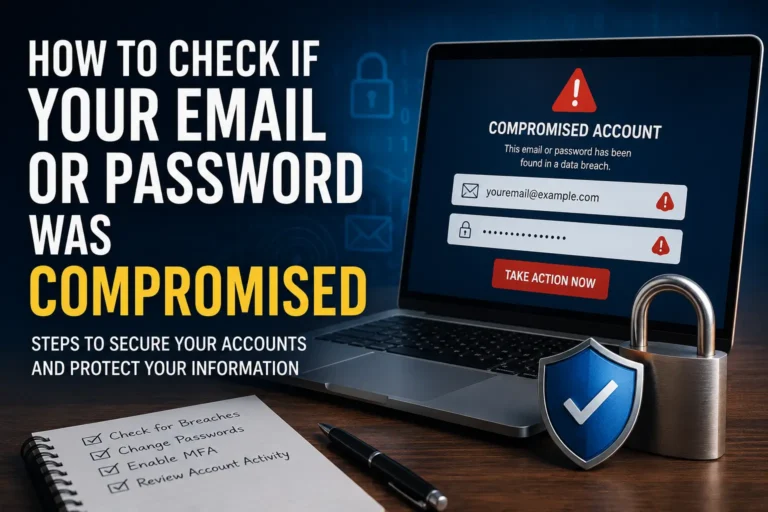
Consumers can reduce their risk by protecting the accounts that matter most. Email, banking, and government logins should use strong passwords and multi-factor authentication. Monitoring financial statements and credit reports can also help catch problems early. Some security tools now offer identity monitoring and breach alerts, which can warn users when their information appears in leaked databases. These steps cannot stop every attack, but they can limit the damage and speed up recovery.
Online Shopping and Payment Security in 2026

Online shopping continues to grow in 2026, and so do the risks that come with it. Many scams now start with fake online stores, misleading ads, or look-alike websites that copy the design of trusted brands. These sites often offer huge discounts to push users into making quick purchases without checking if the store is legitimate.
Social media plays a large role in these scams. Fraudsters place ads that lead directly to fake checkout pages, where victims enter card details or account credentials. In some cases, criminals also intercept payments by sending fake invoice emails or changing payment instructions. These methods do not require hacking. They rely on misdirection and urgency.
At the same time, payment systems are improving. Banks now use better fraud detection, and many services offer virtual cards or purchase protection. Digital wallets also hide real card numbers from merchants, which helps reduce exposure if a store suffers a breach. These tools help, but they do not remove all risk.
Consumers can stay safer by slowing down before making purchases, especially when deals seem too good to be true. Checking store reviews, using secure payment methods, and avoiding direct bank transfers to unknown sellers can prevent many losses. Monitoring bank statements also helps catch fraud early. With careful habits and the right tools, users can enjoy online shopping while keeping financial risks under control.
Cybersecurity Fatigue: Why People Are Ignoring Warnings
As online threats increase, many users feel overwhelmed by constant alerts, updates, and security advice. This leads to cybersecurity fatigue, where people start to ignore warnings or delay important actions. Over time, this behavior increases the chance of falling for scams or missing real threats.
When users see too many pop-ups or complicated security messages, they often click through them without reading. Some also postpone updates because they seem inconvenient or time-consuming. Attackers take advantage of this behavior by creating messages that look urgent or routine, knowing that many people will respond without checking details.
Security tools now try to reduce this problem by using smarter detection and fewer alerts. Many systems automatically block threats in the background, which lowers the number of decisions users must make. This approach helps protect people who do not want to manage security settings every day.
Consumers can also reduce fatigue by relying on simple habits that run automatically. Enabling auto-updates, using password managers, and allowing security software to work in real time can remove much of the daily effort. This makes protection easier to maintain and helps users stay safe without constant attention.
Simple Habits That Matter More Than Fancy Tools
While advanced security tools help block many threats, basic habits still play the biggest role in staying safe online. Many attacks succeed not because protection fails, but because users skip simple steps that could stop problems early. In cybersecurity 2026, good digital habits remain one of the strongest defenses against common threats.
Keeping devices updated is one of the easiest and most effective actions. Updates fix known security flaws that attackers often exploit. Using strong, unique passwords also matters, especially for email and financial accounts. A password manager can handle this task automatically and reduce the risk of reuse across sites.
Backing up important files protects against ransomware, hardware failure, and accidental deletion. Cloud backups and external drives both work, as long as users check them regularly. Locking devices with PINs, passwords, or biometrics also prevents easy access if a phone or laptop is lost or stolen.
These habits do not require technical skills, but they provide long-term protection. When combined with reliable security software, they create strong everyday defense with minimal effort. Focusing on these basics often does more for safety than chasing the newest features or complex tools.
What the Future Holds Beyond 2026
Looking beyond 2026, security tools will continue to become more automatic and easier to use. Operating systems already block many threats in the background, and future updates will likely improve this even further. For consumers, this means fewer decisions and less technical work to stay protected.
Privacy rules may also grow stronger in many regions, which could limit how companies collect and share personal data. This may reduce some risks, but it will not remove the need for personal security habits. Criminals often adapt quickly, and new services can still introduce new weaknesses.
Artificial intelligence will also shape both attacks and defenses. While scammers may use AI to create more convincing tricks, security companies will use the same technology to spot unusual behavior and stop threats faster. This balance will continue to shift, but users will still play a role in protecting their own data.
In the future, cybersecurity may feel less visible, but it will not become less important. Staying informed and keeping basic protections in place will remain essential, even as tools grow smarter and more automatic.
Staying Safe in 2026 Doesn’t Have to Be Complicated
Cyber threats will continue to change, but most people do not need advanced technical skills to stay protected. In many cases, simple actions like keeping devices updated, using strong passwords, and avoiding urgent messages can stop the most common attacks. When users combine these habits with reliable security software, they greatly reduce their overall risk.
Security tools in 2026 now work more quietly and automatically than ever before. This makes protection easier to maintain, even for people who do not want to manage settings or review alerts every day. Still, no tool can replace awareness. Taking a moment to verify messages, links, and payment requests can prevent many costly mistakes.
Staying safe online is not about fear, but about preparation. By understanding the risks and using the right tools, consumers can enjoy the benefits of modern technology with confidence. Continuing to learn and staying informed will remain one of the best ways to protect your devices, data, and digital identity in the years ahead.
Quick Cybersecurity 2026 Checklist
Use this short checklist to reduce your online risk:
- Enable automatic updates on all devices
- Use a password manager with unique passwords
- Turn on multi-factor authentication for important accounts
- Back up important files regularly
- Avoid clicking urgent links in emails or texts
- Review bank and credit statements often
- Keep smart home devices updated and secured
Small steps taken consistently can make a big difference in staying protected online.