Introduction
Computer security in 2025 isn’t just about keeping hackers out — it’s about keeping up. As digital threats grow more sophisticated and automated, everyday users are being targeted like never before. From AI-powered scams to ransomware that can wipe your cloud backups, here are the biggest threats facing consumers in July 2025 — and what you can do to stay ahead.

Ransomware Keeps Getting Smarter

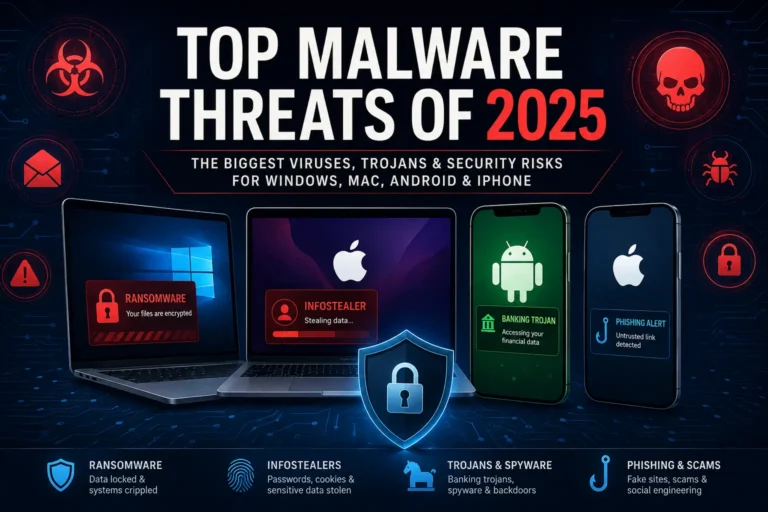
Ransomware attacks aren’t just locking up personal files anymore — they’re aiming for your cloud storage, phones, and even smart devices. What’s worse, you don’t need technical skill to launch one anymore. With “Ransomware-as-a-Service” (RaaS) kits being sold on the dark web, just about anyone with a grudge and a few crypto coins can hit your system.
What’s happening now:
- Ransomware attacks that encrypt Google Drive and Dropbox backups.
- Mobile ransomware targeting Android users via shady apps.
- Attackers demanding smaller, faster payouts for quicker turnaround.
How to protect yourself:
- Keep an offline backup of important data.
- Use endpoint protection that includes anti-ransomware features.
- Avoid unknown downloads and sketchy email attachments.
Social Engineering Is Getting a Tech Upgrade

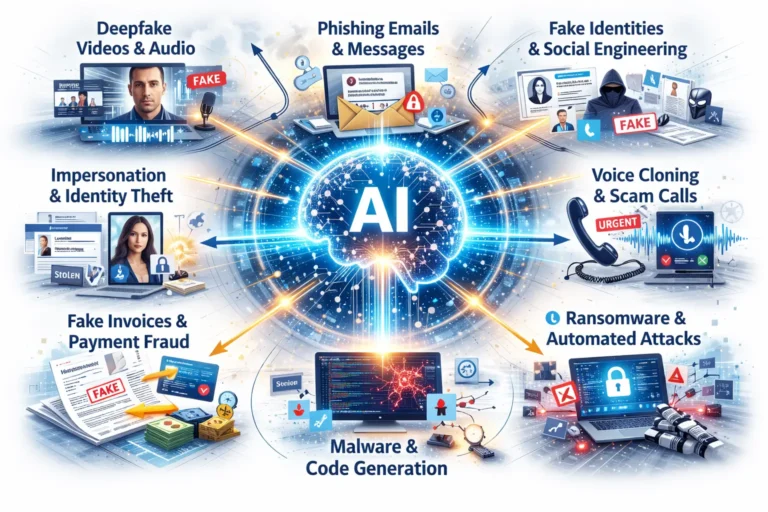
Phishing emails are no longer full of typos and bad grammar. Thanks to generative AI, they read like they came from your boss, your bank, or your best friend. Add deepfake voice messages or cloned phone numbers, and scams become harder to spot.
Common scams in July 2025:
- Fake travel confirmation emails with malicious links (capitalizing on summer travel).
- Voice messages mimicking banks or relatives asking for urgent help.
- AI-generated “customer support” chats that push malware.
Stay sharp by:
- Verifying unexpected messages or calls via a known contact method.
- Never clicking links in unsolicited emails or texts.
- Enabling spam and scam filters on email and mobile services.
AI-Powered Malware Is Here

Cybercriminals are using AI not just for scams, but for the attacks themselves. AI tools are now helping them write stealthy malware, avoid detection, and personalize attacks by analyzing your behavior.
New risks:
- Malware that adapts in real-time to your system defenses.
- Password-guessing bots trained on leaked data and user behavior.
- Auto-generated spyware that mimics normal app behavior.
What helps:
- Use antivirus software that leverages AI to fight fire with fire.
- Monitor your device activity for anything unusual.
- Keep browsers and plugins updated to close known vulnerabilities.
Weak Smart Devices and Home Networks

Your smart home could be your weakest link. Insecure devices — from voice assistants to baby monitors — are being used in attacks or as gateways to your network. Many users still haven’t changed default passwords or updated their router firmware.
Risks include:
- Smart devices used as entry points for data theft.
- Routers taken over to spy or launch attacks on others.
- IoT devices added to botnets without your knowledge.
Take control:
- Update all smart device firmware regularly.
- Change default usernames and passwords.
- Use guest networks for smart home devices.
Browser and Extension Exploits

Malicious browser extensions are becoming a favorite tool for cybercriminals. They disguise themselves as productivity tools or utilities, but once installed, they track everything — from keystrokes to passwords.
What’s trending:
- “Free” extensions with hidden adware or spyware.
- Exploits targeting Chromium-based browsers via zero-day flaws.
- Fake updates that install backdoors instead of patches.
Your move:
- Audit your browser extensions — if you don’t use it, remove it.
- Avoid installing extensions from unknown developers.
- Use browsers with built-in security features or hardened profiles.
Conclusion: Stay a Step Ahead
The threat landscape isn’t slowing down. But you don’t need to be a cybersecurity expert to defend yourself. Start with this simple checklist:
- Update your OS and software often.
- Enable MFA on all your accounts.
- Back up files offline and to secure cloud storage.
- Think twice before clicking or replying.
- Use trusted antivirus and internet security tools.
Security in 2025 means staying alert, staying informed, and staying prepared. The more proactive you are, the harder you are to target.