Identity theft refers to when a person steals personal information from individuals, whether living or deceased, with the intent of using it for personal gain. More often than not, the main reason behind most identity thefts is financial profit for the fraudster.
Most Common Types of Identity Theft
With the improving technology, all these applications and platforms seek to gain bits and pieces of our personal information for registration. Most applications and companies strive to ensure that this sensitive information is encrypted and kept safe. However, some are not as genuine. Vital information such as phone numbers, social security numbers, signatures, debit and credit card details are crucial for committing fraud. Below are the various types of identity thefts commonly practiced.
- Medical identity theft – Such cases occur when a fraudster poses as somebody else to receive medical services. Statistics reveal that the medical field held the second-highest data breaches in 2018. (Hamilton, 2021)
- Tax identity theft – This type of identity theft involves gaining access to a person’s private information and applying it to enjoy tax returns. Pins, passwords, and user IDs are vital for such theft. Once the return is approved, the money goes into the imposter’s account instead of yours.
- Social security theft – If used together with other personal data such as pins and passwords, this number is hazardous when in the hands of fraudsters. These thieves end up opening numerous fraudulent accounts using this crucial information.
- Child identity theft – Did you know that fraudsters can steal your child’s personal information to file taxes and open accounts on credit without your knowledge? Unfortunately, victims only become aware of this theft when they start working and need to open accounts.
- Criminal identity theft – This theft is done mainly by criminals. They steal photo IDs, social security numbers, and other private data to ensure that the offenses committed appear on the victim’s record. Such cases are rare but not uncommon.
- Estate identity theft – Such scenarios apply to deceased persons whose personal information is used to open accounts or steal money. Rampant cases occur when fraudsters know that the victim’s death is undocumented.
- Synthetic identity theft – This type of theft is one of the fastest-growing in the U.S. It works by combining real and fake information from children, the deceased, and other unsuspecting victims to create new but false identities. These identities take hold of data from various people and use their good credit to take loans or open accounts.
Identity Data Breach Cases
In July 2020, some of the world’s most prominent people’s accounts got hacked. The hackers posted tweets seeking Bitcoins from the public through these accounts. Approximately 130 high-profile accounts were breached, with some of the victims including Barack Obama, Joe Biden, Kanye West, and Elon Musk. Behind this breach was a 17-year-old boy from Florida who managed to get a little over $100,000 from unsuspecting victims. (Rodriguez, 2020)
It is estimated that fraudsters sold over half a million Zoom passwords on the dark web in April 2020. The hackers then tested the stolen passwords to the usernames until they found their matches. Zoom’s CEO publicly responded and accepted the blame by stating that they were not ready to receive as much traffic as they did after the pandemic. The company had not foreseen such usage on their platform and thus could not adequately protect its user’s credentials.
A breach relating to the medical industry affected Nebraska Medicine in February 2021. A malware attack permitted a hacker access to files containing the medical information of over 200,000 patients of the hospital. This information included health insurance information, dates of birth, diagnosis information, names, and addresses.
How to Prevent Identity Theft
It’s essential to protect yourself from such dangerous occurrences, whether you’re directly affected or not. Below are a few smart ways to protect your sensitive information and keep your identity safe.
Freeze your credit report
Adopting this option means people will have to directly contact the three main credit bureaus separately and freeze their credit account. The bureaus provide you with a pin required should you eventually wish to lift this decision. Nobody, including the rightful account-holder, will open a credit account unless they provide the mandatory personal information. This process is beneficial where children’s and senior citizens’ accounts are concerned.
Create different passwords and pins for your accounts
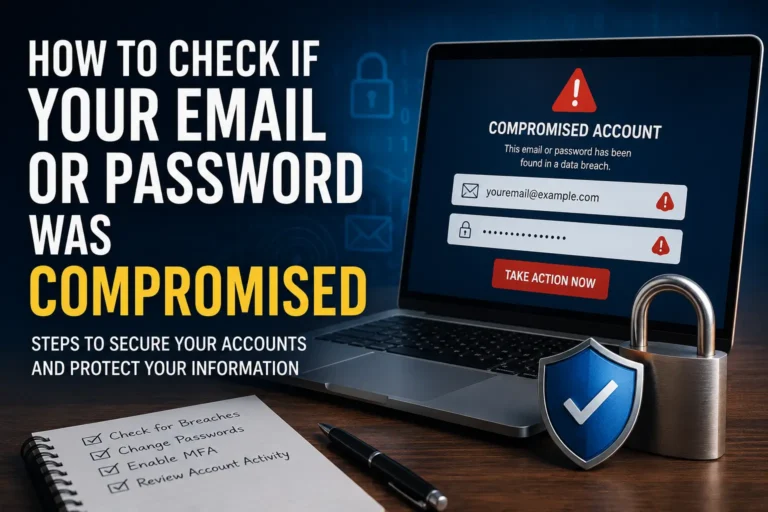
Having different passwords and PINs for your various accounts comes in handy in the event of an attempted data breach. Eventually, if one of your accounts is compromised, the rest of your accounts remain secure as they have different credentials altogether. Having strong passwords of at least 15 characters makes it harder for fraudsters to access your account and, therefore, keeps it less susceptible to a breach.
Enable multi-factor verification
This additional step in the logging-in process allows for extra protection in case your password gets compromised. Verification from your device becomes a mandatory requirement before accessing an account. It should preferably be biometric identification or a different password from the one used when logging in initially. Unsurprisingly, social media and bank accounts should all have this feature enabled.
Review credit card and bank statements regularly
In doing so, you can quickly spot any irregular activity on your account before any actual damage occurs. You should report any delays or complete absence of bank statements as fraudsters may have rerouted your address to theirs to stop you from accessing them.
Shred or burn documents with personal information before disposing
The oldest yet still very efficient way of thieves accessing private data from people is “dumpster diving.” This scenario refers to criminals targeting an unsuspecting victim’s trash, searching for any documents containing personal information. You can avoid such easy traps by shredding or burning your documents before dumping them. For extra efficiency, separate the shredded paper into three or four different batches and throw them in different dumpsters away from each other.
How to Deal With Identity Data Breach
Once an identity data breach has occurred, the best remedy is to consult an identity theft protection service. They promptly alert you of any violation and can stop you from incurring a further loss. Norton 360 offers multi-layered protection powered by artificial intelligence (AI) and machine learning-based security technology. Norton 360 with LifeLock provides real-time threat protection for up to five PC’s against existing and emerging malware threats, protecting your personal and financial information online. (Norton, 2021)
Norton 360 with LifeLock also offers a secure VPN for its users, ensuring passwords and pins stay safe and private. Parents love the parental control feature as they can monitor their children’s online activities. A secured database allows the users to safely create, store, and manage their passwords and other sensitive information. The identity alert system notifies you immediately if an intruder uses your information.
Conclusion
There’s nothing to be embarrassed about where identity theft is concerned. Even celebrities aren’t immune to it. Remember to file a police report the moment you suspect that identity theft has occurred. You’ll also need to block all your accounts so that the relevant authorities can immediately discard any crimes committed under your stolen identity. Hopefully, the simple tips we provided will help you keep your sensitive personal data safe in 2021.
References
- Hamilton, A. (2021, October 2). 2019 End-of-Year Data Breach Report, Identity Theft Resource Center.
- Rodriguez S. (2020, July 31). 17-Year Old Accused of Masterminding Twitter Bitcoin Scam, CNBC.
- Norton, (2021). Norton 360 with LifeLock Select